

Why Louisiana’s Swamp Tours Are More Than Just Sightseeing
A swamp tour should leave visitors knowing why the environment works the way it does”
MARRERO, LA, UNITED STATES, February 10, 2026 /EINPresswire.com/ -- Louisiana’s wetlands are among the most complex and culturally significant ecosystems in North America. While swamp tours are often associated with wildlife sightings, particularly alligators, guided tours serve a much broader purpose. These experiences provide structured insight into wetland ecology, regional history, and cultural traditions that cannot be fully understood through casual observation alone.— Milton Walker Jr.
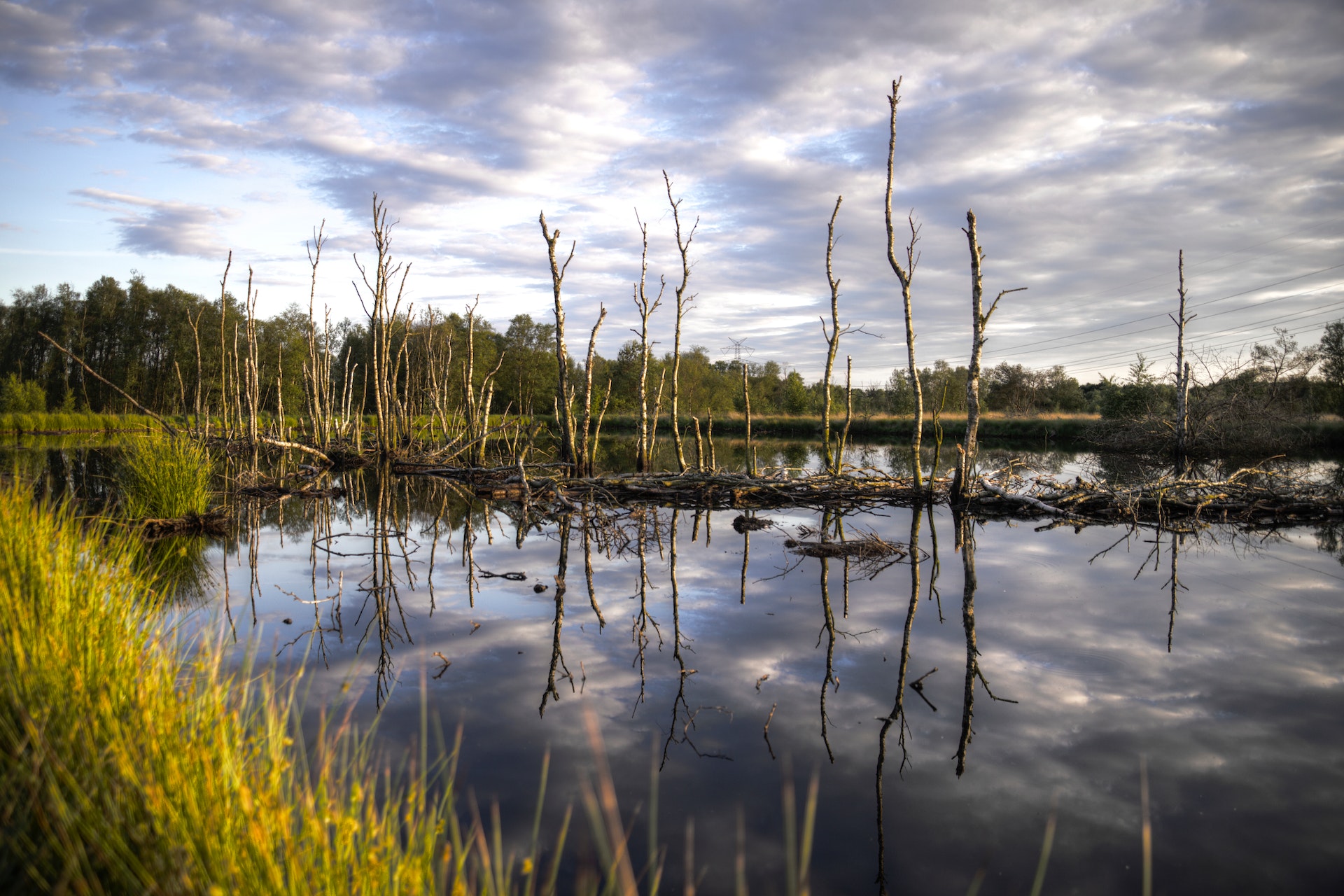
Wetland ecosystems function as living systems shaped by water flow, vegetation, wildlife interaction, and human influence. Guided swamp tours contextualize these relationships by explaining how marshes, swamps, and bayous differ in structure and function. Visitors learn how freshwater and brackish systems support different plant species, how cypress-tupelo swamps manage seasonal flooding, and how wetlands act as natural buffers against storm surge and erosion.
Wildlife interpretation extends beyond identification. Alligators, birds, reptiles, and mammals are part of a larger food web influenced by water levels, temperature, and habitat availability. Guides explain behavioral patterns such as basking, nesting, and feeding, helping visitors understand why animals appear in certain locations at certain times. This knowledge shifts the experience from passive viewing to ecological comprehension.
Birdlife often serves as an entry point into deeper ecosystem discussion. Herons, egrets, ibis, and raptors reflect wetland health and seasonal change. Guided tours explain migration patterns, nesting habits, and the role of wetlands as critical stopover points for migratory species. These explanations connect local observations to continental-scale ecological systems.
Plant life plays an equally important role in wetland interpretation. Cypress knees, floating vegetation, marsh grasses, and invasive species each tell a story about water chemistry and land use history. Guides explain how vegetation stabilizes soil, filters water, and provides habitat. Discussions often include the impact of invasive plants and efforts to manage ecological balance.
Cultural history is inseparable from the swamp environment. Indigenous communities, early settlers, and later generations adapted to wetland conditions through fishing, trapping, boat building, and resource management. Guided tours incorporate these histories, explaining how local culture developed in response to the landscape rather than in spite of it. This perspective frames the swamp as a working environment rather than an untouched wilderness.
Language, place names, and traditions also emerge through guided interpretation. French, Spanish, African, and Indigenous influences shaped regional identity, and many of these influences remain embedded in wetland communities. Tours provide context for how cultural practices evolved alongside the environment, reinforcing the idea that Louisiana’s swamps are lived-in landscapes with ongoing cultural relevance.
Environmental change is another central theme addressed through guided tours. Coastal erosion, land loss, saltwater intrusion, and climate variability affect wetland systems in visible ways. Guides explain these processes using real-world examples visible along tour routes. This approach grounds abstract environmental concepts in observable conditions, helping visitors understand both the challenges facing wetlands and the importance of conservation efforts.
Safety and access considerations also distinguish guided tours from unguided exploration. Navigating swamp environments requires knowledge of water levels, wildlife behavior, and terrain. Guided tours provide structured access that minimizes ecological disturbance while ensuring participant safety. This controlled approach supports both educational outcomes and environmental protection.
Milton Walker Jr., owner of Louisiana Tour Company in Marrero, Louisiana, emphasizes that understanding is the goal of responsible swamp tourism. “A swamp tour should leave visitors knowing why the environment works the way it does,” said Milton Walker Jr.. “Wildlife sightings are meaningful when they are placed within the larger story of the ecosystem and the people connected to it.”
Guided interpretation also helps correct common misconceptions. Swamps are often portrayed as stagnant or dangerous, yet they are dynamic systems that support biodiversity and water management. Tours clarify these misunderstandings by presenting wetlands as productive environments shaped by constant movement and adaptation.
Education-focused tours contribute to conservation awareness by connecting visitors emotionally and intellectually to the landscape. When ecological processes and cultural histories are explained clearly, visitors gain a deeper appreciation for the value of wetlands beyond recreation. This understanding supports broader public awareness of wetland preservation and responsible land use.
Louisiana’s swamp tours function as informal classrooms where science, history, and culture intersect. Guides translate complex ecological relationships into accessible explanations grounded in direct observation. This approach transforms a sightseeing activity into an educational experience rooted in place and context.
Swamp tours that prioritize interpretation over spectacle provide lasting value. They deepen understanding of wetland ecosystems, illuminate regional culture, and foster respect for environments that continue to shape life across coastal Louisiana. By focusing on knowledge rather than novelty, guided swamp tours offer insight that extends well beyond the moment of observation.
Morgan Thomas
Rhino Digital, LLC
+1 504-875-5036
email us here
Visit us on social media:
Facebook
Legal Disclaimer:
EIN Presswire provides this news content "as is" without warranty of any kind. We do not accept any responsibility or liability for the accuracy, content, images, videos, licenses, completeness, legality, or reliability of the information contained in this article. If you have any complaints or copyright issues related to this article, kindly contact the author above.
